Adapting an Award-Winning Chili Recipe With What I Had at Home
A great recipe only works if it fits your kitchen. Here's how I used Claude to adapt an award-winning chili with what I already had, without losing what made it good in the first place.
Have you ever looked at a recipe and wondered how to make it work for you? Your tastes, your goals, what's actually in your pantry? That's exactly where I was with chili.
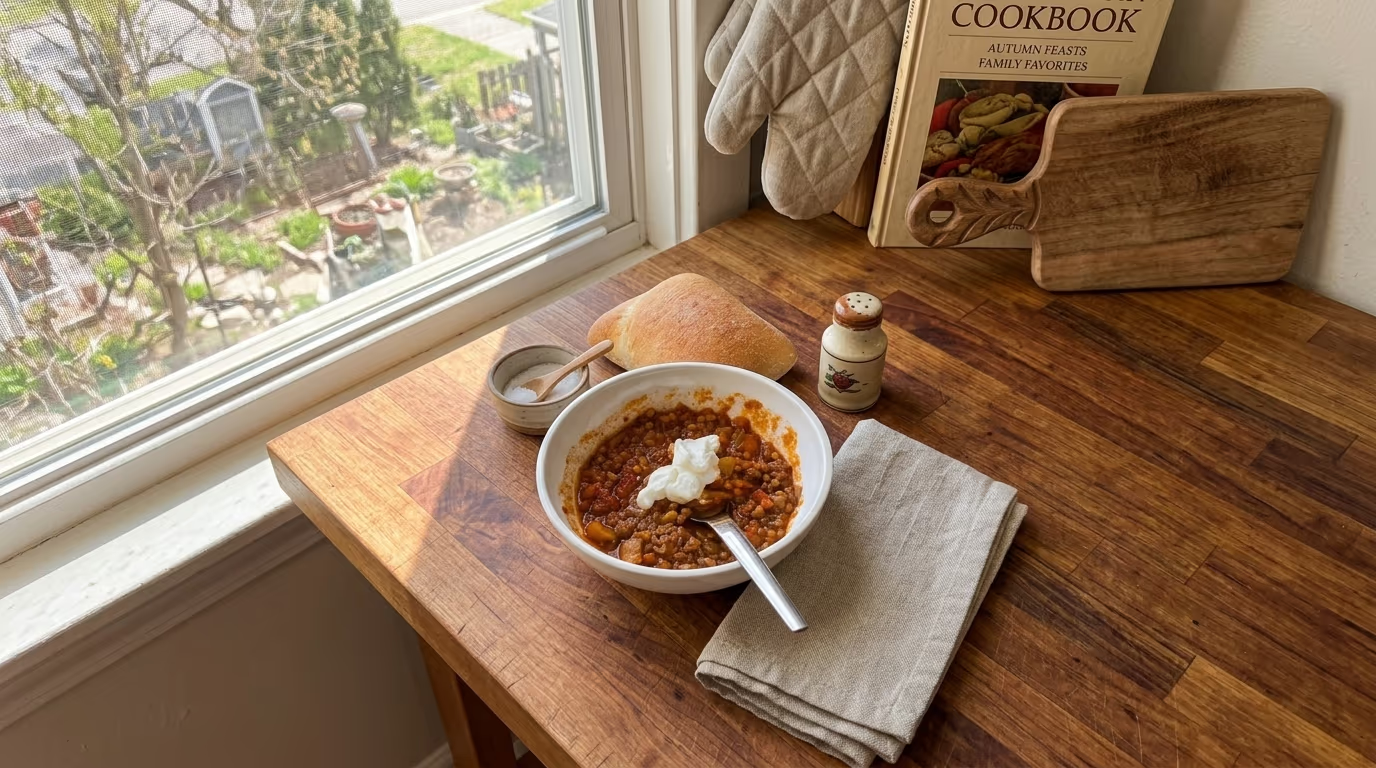
Spoiler: it turned out really good! A slow-simmered, stovetop beef, mushroom, and lentil chili that's lighter than the original but still really hefty. Here's how I got there.
The Search: Finding an Award-Winning Starting Point
I wanted to make chili, and I wanted it to be extremely delicious. If you don't know me by now, I have high expectations with food and hate it when things don't work out, so doing homework in advance is a natural part of my process.
Chili is a category where awards and competitions are a regular thing, so instead of using AI to build a recipe from scratch, I went to the internet. I did a quick search for top-rated, award-winning chili recipes and stumbled on the Best Chili Recipe from Sugar Spun Run, which looked like a strong starting point.
The Gap: A Great Recipe That Didn't Fit Our Kitchen
When I reviewed it, it didn't have as many hearty ingredients as I wanted. We're not huge chili people, so if we're going to eat it, I want it really hefty and filled with nutrition. My husband also doesn't like beans, a chili staple, and I was worried I only had some of the spices listed.
The Shift: Customizing Instead of Starting from Scratch
This time, the story isn't about GenAI creating a recipe for me from scratch. It's about partnering with Claude to customize a recipe I already had. It took about 35 prompts, and looking back, their order shows exactly where my mind was going.
If you've read my PTCF article (Persona, Task, Context, Format), you'll recognize parts of it here.
The First Question: Giving the Flavors Time
My very first prompt set the Task, and it wasn't about ingredients at all. The recipe called for a quick simmer, and I wanted the flavors to really meld:
"When making chili, if you want it to simmer and meld for a long time, what do you need to do different? This recipe says to simmer for only 30 min."
I was making this on the stovetop, and knowing I wanted a longer cook meant every ingredient I added next had to hold up to it.
Building the Base: Hearty, Filling, and No Beans
Next, I started reshaping what went into the pot. Beans were being swapped out, and I wanted mushrooms that bulked up the chili without being noticeable. I only had dried chanterelles at home, so I talked about exactly that:
"Just because I have dried chanterelles doesn't mean that's the best option... What would be the best option to be heartier and more filling?"
Having an ingredient isn't the same as it being the right one for the goal.
I also didn't want chunks of mushroom like in Tim Hortons chili. From my own experience, dicing and cooking them first shrinks them down so they blend right into the ground beef.
To round out the base, I had Claude remove the bacon, add a bit of Trader Joe's mushroom powder for umami to be added back in.
The Seasoning: Some Early, Some Late
Then came the lentils. I had no idea when to add them without overcooking them in a longer simmer. I also wanted to balance some spice early on to meld the flavors with some later on to make them pop.
The answer: add the lentils and bell peppers together, 20 minutes before the simmer ends, so the lentils don't overcook and the peppers keep their texture.
To keep it simple, I mixed all the spices together and saved about a tablespoon for the end.
The Chef's Lens: Catching What Was Missing
With the recipe taking shape, I wanted a check from a different angle, so I gave Claude a Persona. I asked it to look at the recipe through the lens of a professional, award-winning chef to see if anything was missing:
"Is there anything missing from an award-winning chef perspective to make this an exceptional award-winning chili, even though it's actually won awards?"
Claude suggested adding an acid at the end, either apple cider vinegar or lime juice, which I wouldn't have caught on my own. I chose lime juice because I had it and didn't want the extra sweetness from the vinegar.
It also suggested coffee for a layered depth of flavor. This is where Context mattered, because Claude had no way of knowing what my broth was like:
"I have beef broth in a jar with real fat in it, so I don't want to ruin the beef broth flavor with coffee. It has to be an undertone that's not noticeable."
Because the broth had real fat in it, Claude also suggested leaving the butter out.
Dialing In the Spices
Next came my pantry. My goal was a punchy flavor that stayed close to the original without being too smoky or too sweet. I added a raspberry chipotle seasoning I already had for an extra layer of flavor and a pinch of sweetness, and swapped the cayenne for habanero powder, starting at 1/8 teaspoon since we like things a little spicier.
This is where understanding the foundations pays off. Once you know the five basic tastes, sweet, sour, salty, bitter, and umami, you can adjust almost any recipe.
For example, I couldn't find ancho chili powder at first, so Claude helped me figure out which of my seasonings could fill in. When I did find ancho, it smelled smoky, so I paired it with my raspberry chipotle, which isn't.
In the end, the spice foundation is still the same as the original, just built out with what I had on hand.
The Chili
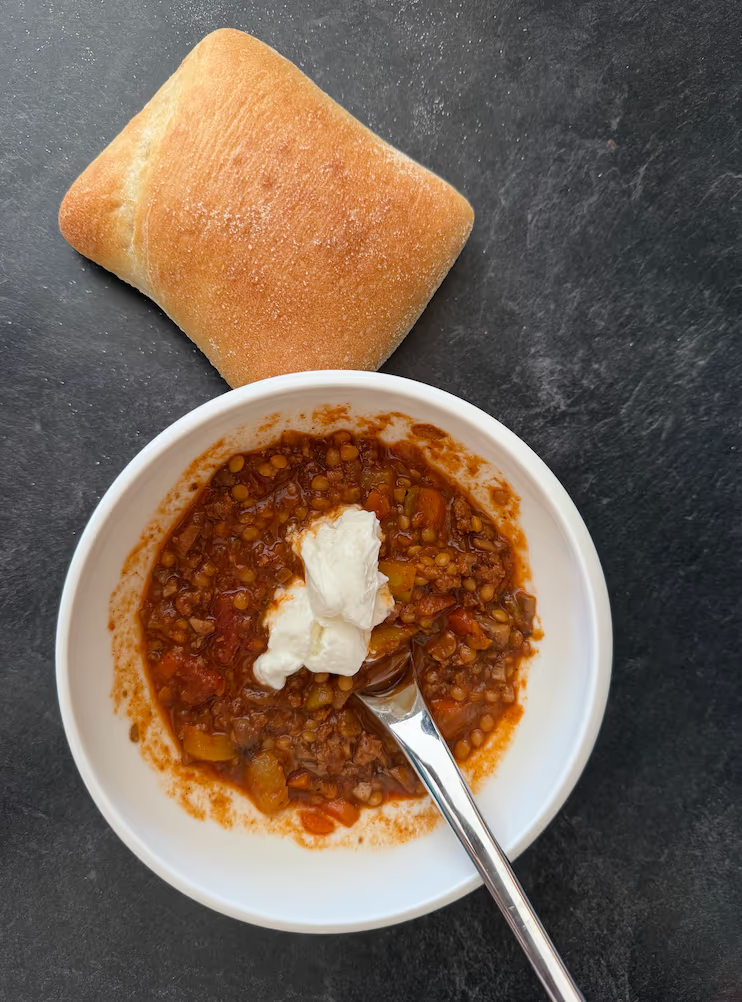
The chili turned out really good, and I was so happy with the flavor! On the day I made it, I thought it was pretty spicy, but by the next day, the heat had really mellowed out.
We paired it with a ciabatta bun, which held up to the weight of the chili without getting too soft the way a butter bun would.
The Difference: How It Compares to the Original
Once the chili was done, I compared my version to the original Sugar Spun Run recipe. Mine keeps the original's spice foundation, including the two chili powders, paprika, cumin, onion powder, brown sugar, and fire-roasted green chilies. But it ends up being a different dish: a leaner, deeper, slow-simmered chili built on mushrooms and lentils instead of bacon and beans.
- Lighter. Olive oil instead of bacon, leaner beef, and more vegetables and lentils cut the calories by about 40 percent.
- Deeper flavor. Instead of bacon fat, mine layers browned mushrooms, mushroom seasoning, espresso powder, and a full can of caramelized tomato paste.
- Meatier texture. With lentils instead of two cans of beans, it's more stew-like, and the long simmer does the thickening.
- More heat. Habanero is several times hotter than cayenne, while the original is deliberately mild.
A Note on Broth
Use a high-quality beef broth, like the kind you find in a jar or frozen, not a concentrate. Hold off on salt until the end and taste first, since raspberry chipotle blends can vary a lot in salt.
The Ultimate Takeaway: Start Strong, Then Make It Yours
You don't always need GenAI to build a recipe from scratch. Sometimes the best starting point is one that's already tested and proven.
Where AI helped was in the details that recipe couldn't account for: my pantry, my timing questions, and what we actually wanted to eat.
But I was still the one making the decisions, and my goals kept the conversation on track.
Comments
No comments yet. Be the first to share your thoughts!